MODULE 1:
Personal & Medical Management
Taking charge of your health starts with understanding it. This module provides practical tools to help you organize important medical information, track symptoms, prepare for emergencies, and advocate for yourself with confidence.
Module Overview
Click a tool to jump to that section.
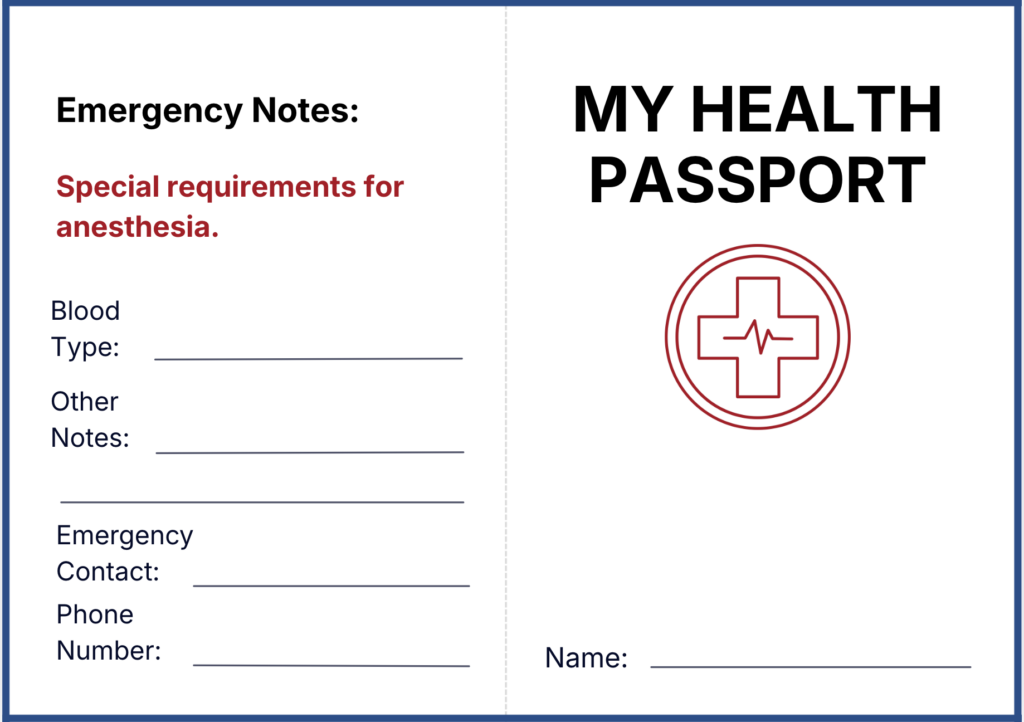
My Health Passport
Your Health Passport is a compact document that keeps all of your essential medical information in one place. It can be shared quickly with doctors, hospitals, or caregivers—especially in emergencies.
Features
Personal Information
Medical Information
Foldable-Card
Emergency Notes
Emergency contacts
Editable form fields
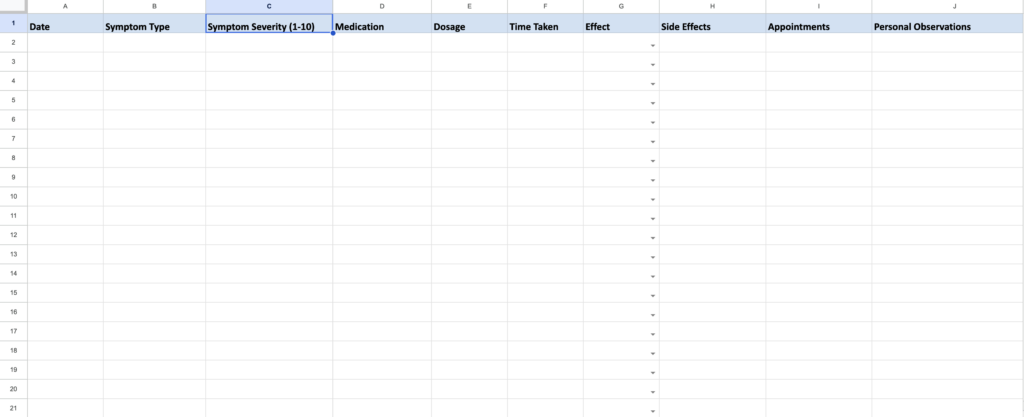
Symptom & Treatment Tracker
Tracking symptoms over time can help you and your healthcare team identify patterns and adjust treatment.
Before You Begin
This symptom tracker is available in both Google Sheets and Microsoft Excel formats.
Google Sheets Version
Before entering any personal information, please create your own copy of the tracker:
Open the Google Sheet.
Click File → Make a Copy.
Give your copy a name and choose where to save it in your Google Drive.
Click Make a Copy.
Enter your information only in your personal copy.
This ensures your information remains private and prevents changes from being made to the original template.
Excel Version
If you prefer to use Microsoft Excel, simply download the Excel version and save it to your computer before entering any information.
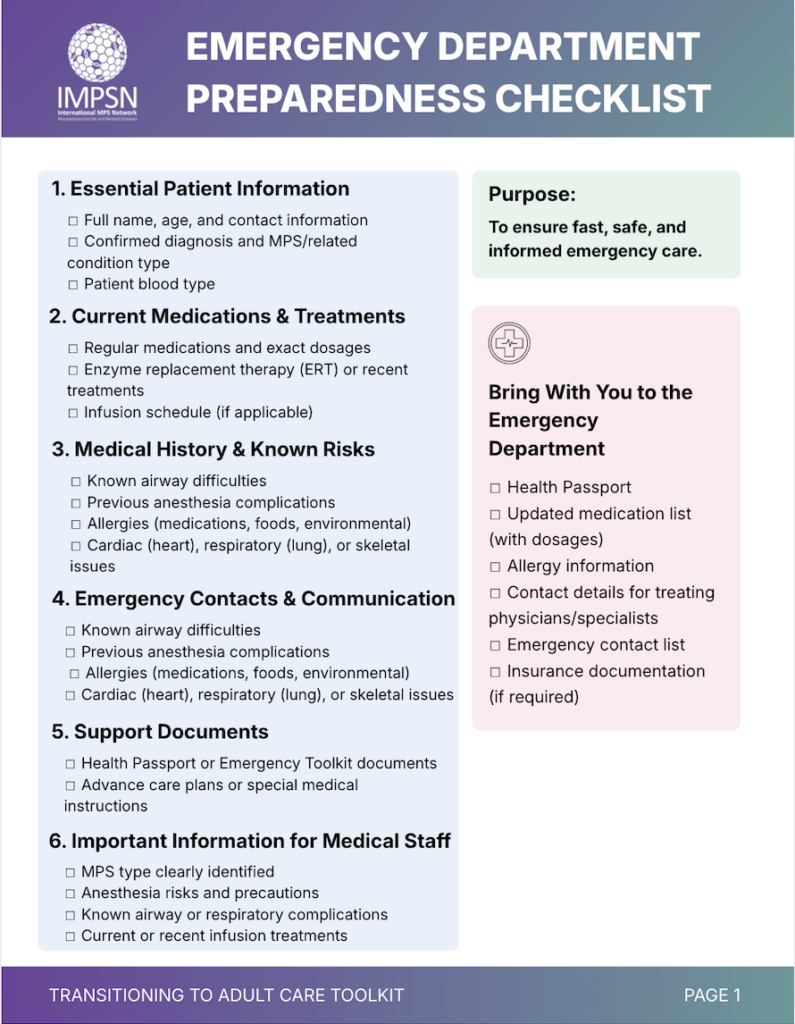
Emergency Preparedness Guide
Emergency situations can be stressful. Having a clear plan helps caregivers and medical staff act quickly.
ER Visit Checklist
- Health Passport
- Medication list
- Insurance information
- Specialist contact information
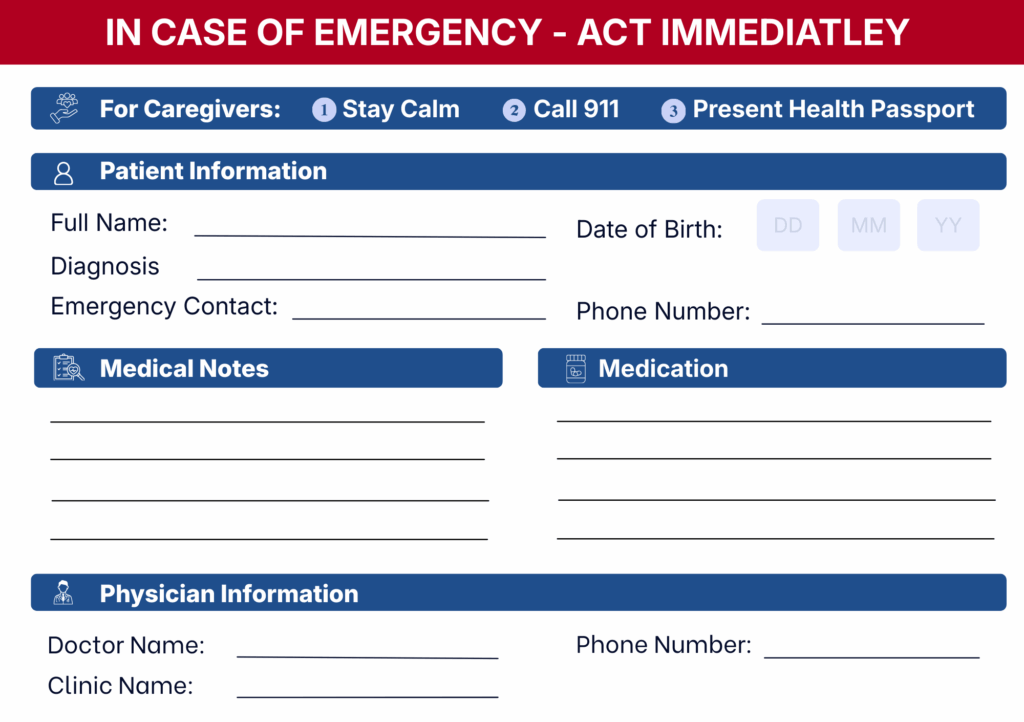
Emergency Wallet Guide
- Action Steps
- Patient Information
- Medical Notes
- Physician Information
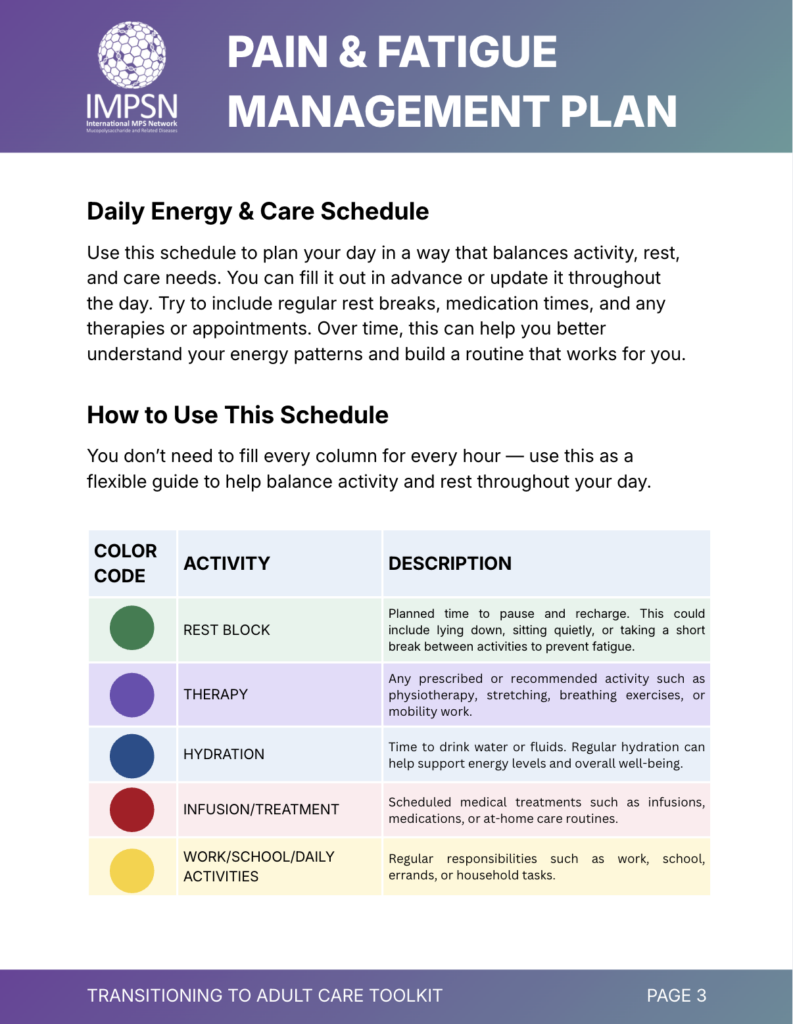
Pain & Fatigue Management Plan
Living with MPS can involve managing pain and fatigue. Creating a plan helps you balance activities and rest.
Quick Tips
- Practice relaxation techniques
- Use heat or cold therapy for pain
- Schedule regular rest breaks
- Use supportive or ergonomic tools
- Track fatigue patterns
- Gentle movement can help reduce stiffness
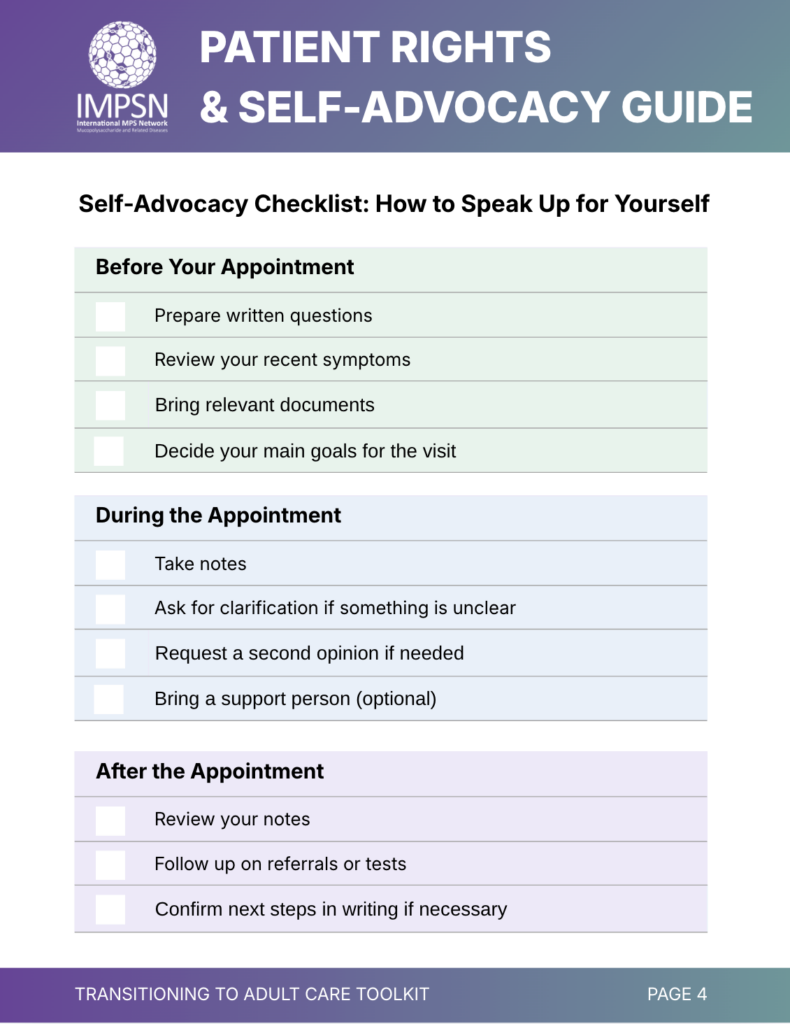
Patient Rights & Self-Advocacy Guide
Knowing your rights and communicating clearly with healthcare providers is an important part of managing your health.
Your Rights
- You have the right to understand your diagnosis
- You can ask questions about treatments
- You can seek a second opinion
- You can accept or refuse treatment
Tips for Doctor Visits
- Bring your Health Passport
- Write down your questions
- Take notes during the visit
- Ask for clarification if something isn’t clear